
The Zeeburg burial books 1714-1811
Until the end of 1714 all deceased Jews of Ashkenazi origin in Amsterdam were buried at the Jewish cemetery Muiderberg. The bodies were transported to Muiderberg by tow boat. As the number of poor Jews in Amsterdam increased, the costs of transportation became too heavy a burden for the poor relief fund. In winter, when
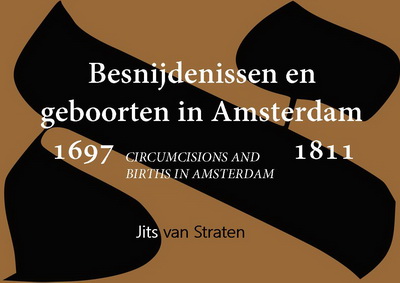
Births and circumcisions in Amsterdam 1697-1811
The circumcision booklets of Amsterdam were written in Hebrew, and are generally of good reading quality. The number of remaining booklets is very low. About 100 booklets could be retrieved and they form part of the collection of Death, Marriage and Burial indexes at the Municipal Archive of Amsterdam (Stadsarchief Amsterdam). As the booklets were
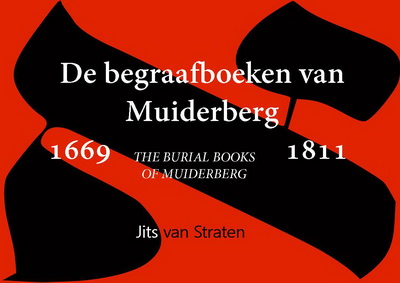
The burial books of Muiderberg 1669-1811
The Jewish cemetery Muiderberg was put into use by the Ashkenazi community in 1642. Prior to this date, the Ashkenazi Jews of Amsterdam were also buried at the Portuguese-Jewish cemetery at Ouderkerk aan de Amstel. This cemetery didn’t have the capacity to accommodate the growing sister community. The decision was made to stop burying Ashkenazi
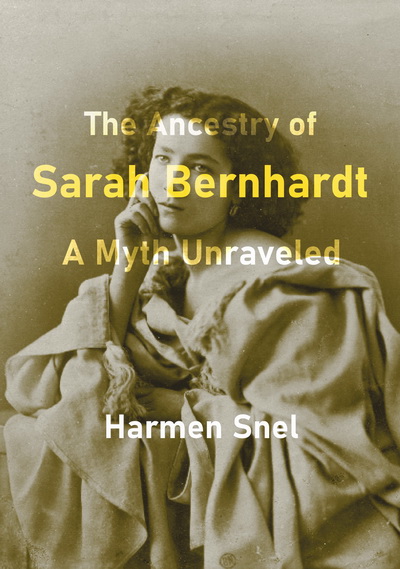
Sarah Bernhardt’s ancestry – a myth unraveled
Many books have been written about the actress Sarah Bernhardt. Each of them describes her life, her lovers, her career and her prominent role within fin-de-siècle theatre. Sarah was the “uncrowned queen of drama”: she not only became a myth, but also created them. Her biography is a mix of fact and fiction, with the
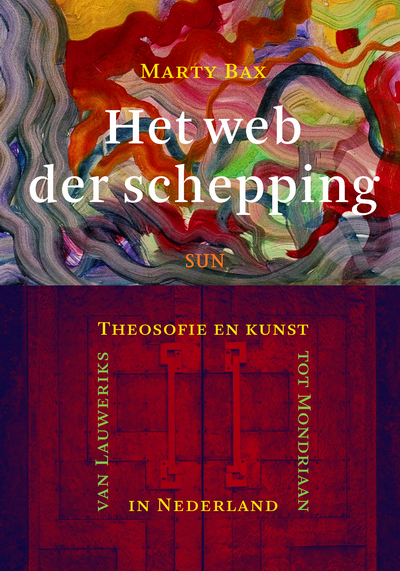
Het web der schepping 1880-1920 – theosofie en kunst
During the second half of the 19th century, Western Esotericism grew to be a major source of inspiration in European art. This book deals with the emergence of modern theosophy in the avant-garde art of the Netherlands between 1880 and 1920. The book describes the developments in society and changes in religious orientations (freethinking, freemasony,
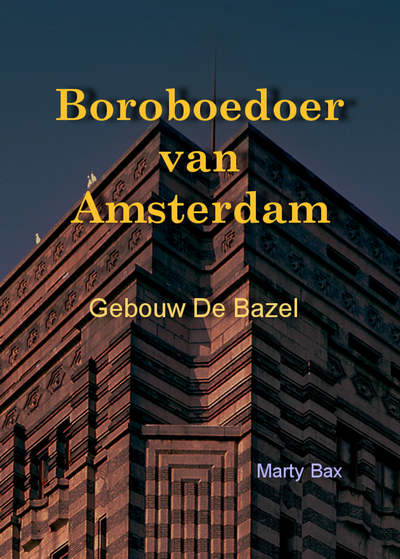
De Boroboedoer van Amsterdam
The Amsterdam City Archive is housed in the ‘De Bazel Building’, named after its architect Karel de Bazel. The building was erected between 1919 and 1926 and commissioned by the Nederlandse Handel-Maatschappij, which dominated commerce within the Dutch colonies in the Netherlands East-Indies. This book discusses the truly unique design of the building, based on