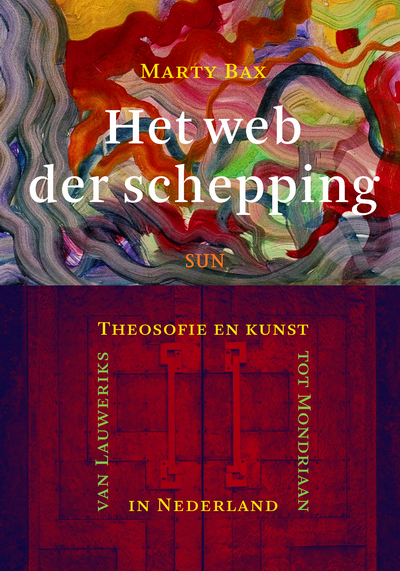
During the second half of the 19th century, Western Esotericism grew to be a major source of inspiration in European art. This book deals with the emergence of modern theosophy in the avant-garde art of the Netherlands between 1880 and 1920. The book describes the developments in society and changes in religious orientations (freethinking, freemasony, spiritualism) in the Netherlands from 1850 onwards, which made it possible for the Theosophical Society to emerge and to exert its influence on art from 1895. Theosophy played a major role in the development of the Dutch Art Nouveau and its typical, geometrical design structure to the abstract painting of Piet Mondrian and the ‘ organic’ Amsterdam School architecture. The book is complemented by a social stratification of the members of the Dutch Theosophical Society and a full list of members active in the various art disciplines. The book, sold out in print for many years, has become a seminal and reference work, not only because of its wealth of facts, but also because of the research methods.
Text in Dutch with English summary.